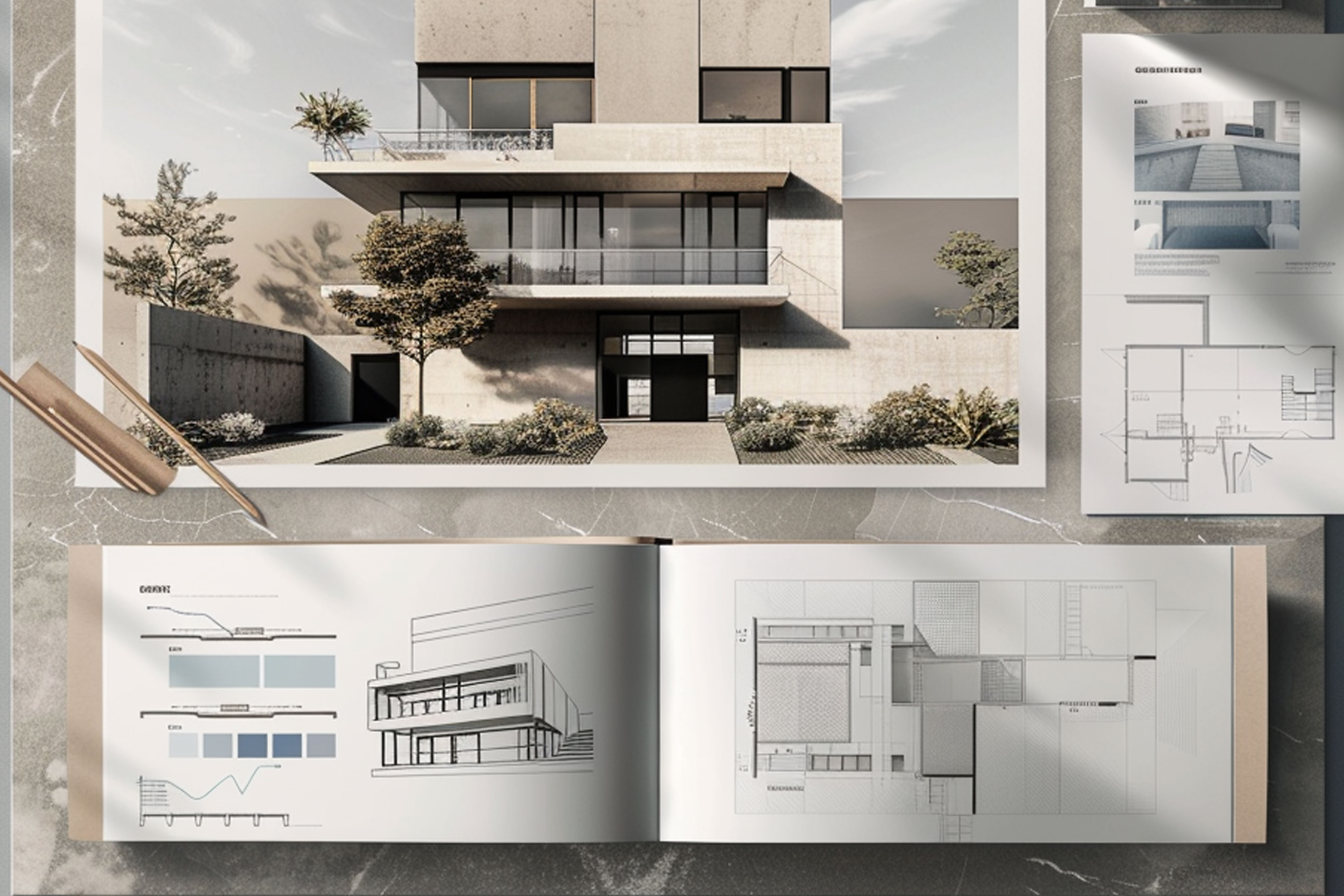
Floor plans in brochures look clean, spacious, and perfectly balanced. Everything fits. Nothing feels cramped. On paper, most homes look great.
But living in a home is very different from looking at one.
Understanding a floor plan critically, beyond glossy visuals, can save you from everyday inconveniences that only appear after you move in. Here’s what brochures often leave out.
1. Natural Light Isn’t Just About Windows
A plan may show multiple windows, but that doesn’t guarantee good daylight.
Check:
Window orientation and direction
Which rooms receive light throughout the day
Whether balconies or nearby buildings block light
Homes with consistent daylight feel calmer and more open.
2. Ventilation Is About Flow, Not Count
Two windows don’t automatically mean good airflow.
Look for cross-ventilation, aligned openings, and clear ventilation paths, especially in kitchens and bathrooms. Good ventilation improves comfort quietly, every day.
3. Circulation Shapes How the Home Feels
Circulation is how you move through the home.
Ask yourself:
Are corridors eating into usable space?
Do private rooms open into public areas?
Does movement feel natural or forced?
Efficient circulation makes homes feel larger and more intuitive.
Furniture Usability Is Rarely Shown
Brochures show furniture, but not real life.
Check wall lengths, door swings, and clearances. A room that looks spacious but can’t be furnished well will never feel comfortable.
Privacy Between Spaces Matters
Good homes create subtle separation.
Notice whether bedrooms open directly into living areas, bathrooms face dining spaces, or work zones are exposed to noise. Privacy isn’t isolation, it’s balance.
Proportion Tells the Real Story
Well-proportioned rooms feel right immediately.
When proportions are off, large rooms feel empty, small rooms feel restrictive, and the home loses rhythm. Thoughtful layouts create harmony, not just impressive dimensions.
Hallmark’s Approach to Floor Planning
At Hallmark, floor plans aren’t designed for brochures first, they’re designed for living.
We prioritise usable space, natural light, ventilation, and layouts that support everyday routines. Because a good plan doesn’t just look good. It lives well.
Final Thought
A floor plan is a promise.
Before you buy, make sure it’s a promise that holds up beyond the page, into real mornings, real evenings, and real life.
Look deeper. Ask better questions.
Your future home depends on it.
 Whatsapp
 back to lists