
 Whatsapp
What Should You Check During a Site Visit?
Buying a home is a major decision, and a site visit is one of the best opportunities to evaluate a property beyond brochures, floor plans and photographs.
By Hallmark | Oct'7 2026
 back to lists
By Hallmark
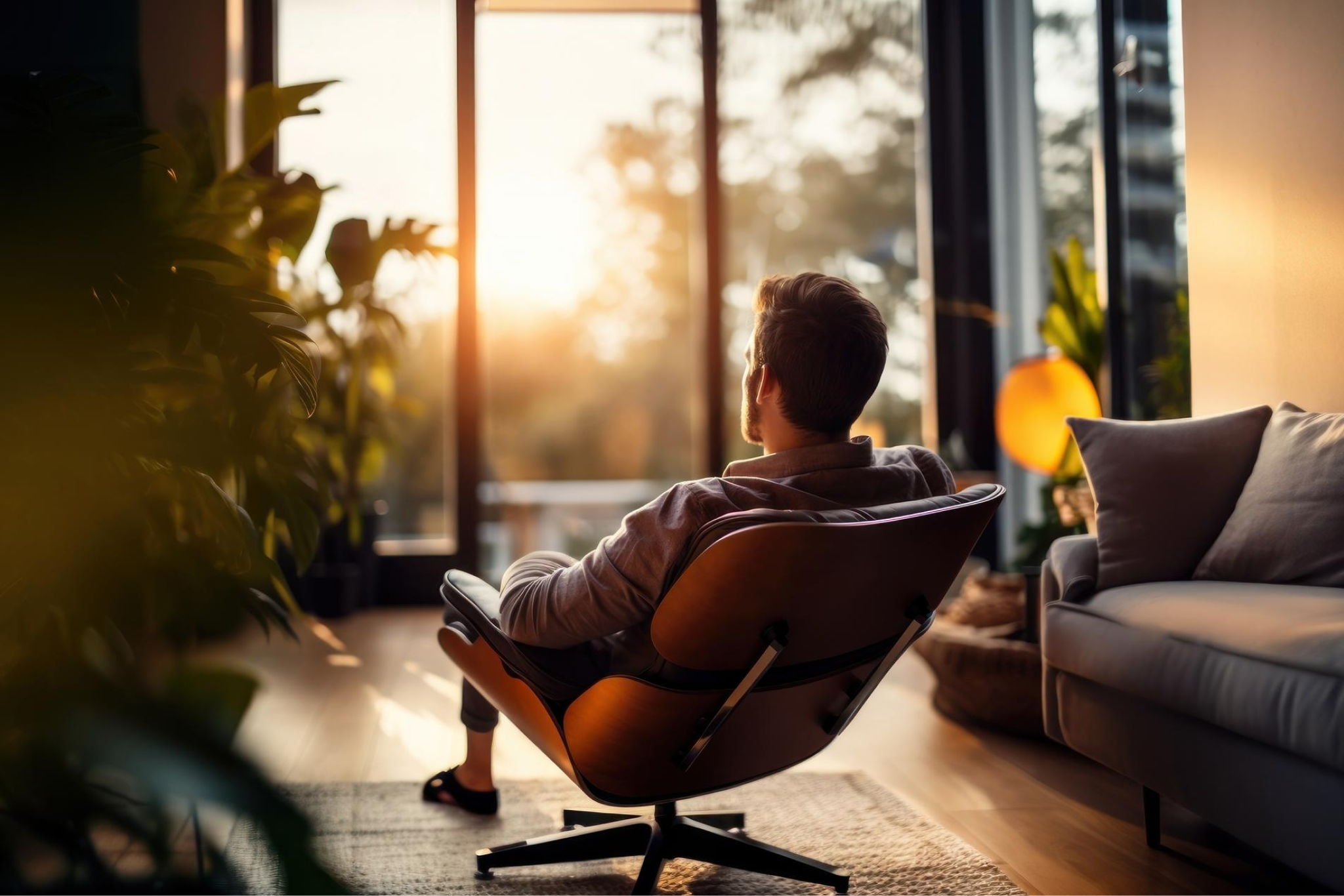
You’ve probably experienced this before.
You walk into a home for the first time, and something just feels right. You can’t always explain it. There’s no dramatic feature, no obvious “wow” moment. And yet, the space feels calm, comfortable, and easy to be in.
That feeling isn’t accidental. It’s the result of thoughtful design choices that quietly shape how we experience a home.
One of the biggest contributors to a peaceful home is airflow.
A well-designed home allows air to move naturally, from one end to another. This cross-ventilation doesn’t just keep the space cool; it creates a sense of freshness that you notice immediately, even if you’re not consciously thinking about it.
In contrast, a home with poor ventilation can feel heavy or stagnant within minutes.
Natural light has a direct impact on how we feel in a space.
Homes that allow soft, consistent daylight to enter feel more open and uplifting. It’s not about having large windows alone, it’s about where those windows are placed and how light moves through the home during the day.
A well-lit living room in the morning, a softly lit bedroom in the evening, these small details create a rhythm that makes a home feel naturally comfortable.
Even a subtle difference in ceiling height can change how a space feels.
Higher ceilings tend to make rooms feel more open and less restrictive. They create a sense of ease, your mind doesn’t feel boxed in. On the other hand, low ceilings, especially in smaller rooms, can make spaces feel tighter than they actually are.
It’s not always something buyers notice immediately, but it’s something they feel.
A peaceful home isn’t just about individual rooms, it’s about how those rooms connect.
When movement between spaces feels natural, without awkward turns, narrow passages, or visual clutter, the entire home feels more intuitive. You don’t have to “figure out” how to use the space. It just works.
This kind of flow reduces mental friction in everyday living.
Clutter isn’t just about how much you own, it’s about whether your home supports organized living.
Homes with well-planned storage and clean visual lines tend to feel calmer. When everything has a place, the space feels lighter and more manageable.
On the other hand, even a large home can feel chaotic if it lacks functional storage.
Most buyers focus on visible features, size, finishes, amenities. But the feeling of a home often comes from things that aren’t immediately obvious.
The next time you visit a property, pay attention to how you feel in the first few minutes:
Does the space feel fresh or closed?
Is the light comfortable or harsh?
Does moving through the home feel natural?
These cues often tell you more than specifications ever will.
At the end of the day, a home isn’t just a physical space. It’s where your daily life unfolds.
The best homes aren’t always the biggest or the most luxurious, they’re the ones that feel effortless to live in.
And that feeling? It’s always by design.



Buying a home is a major decision, and a site visit is one of the best opportunities to evaluate a property beyond brochures, floor plans and photographs.
By Hallmark | Oct'7 2026
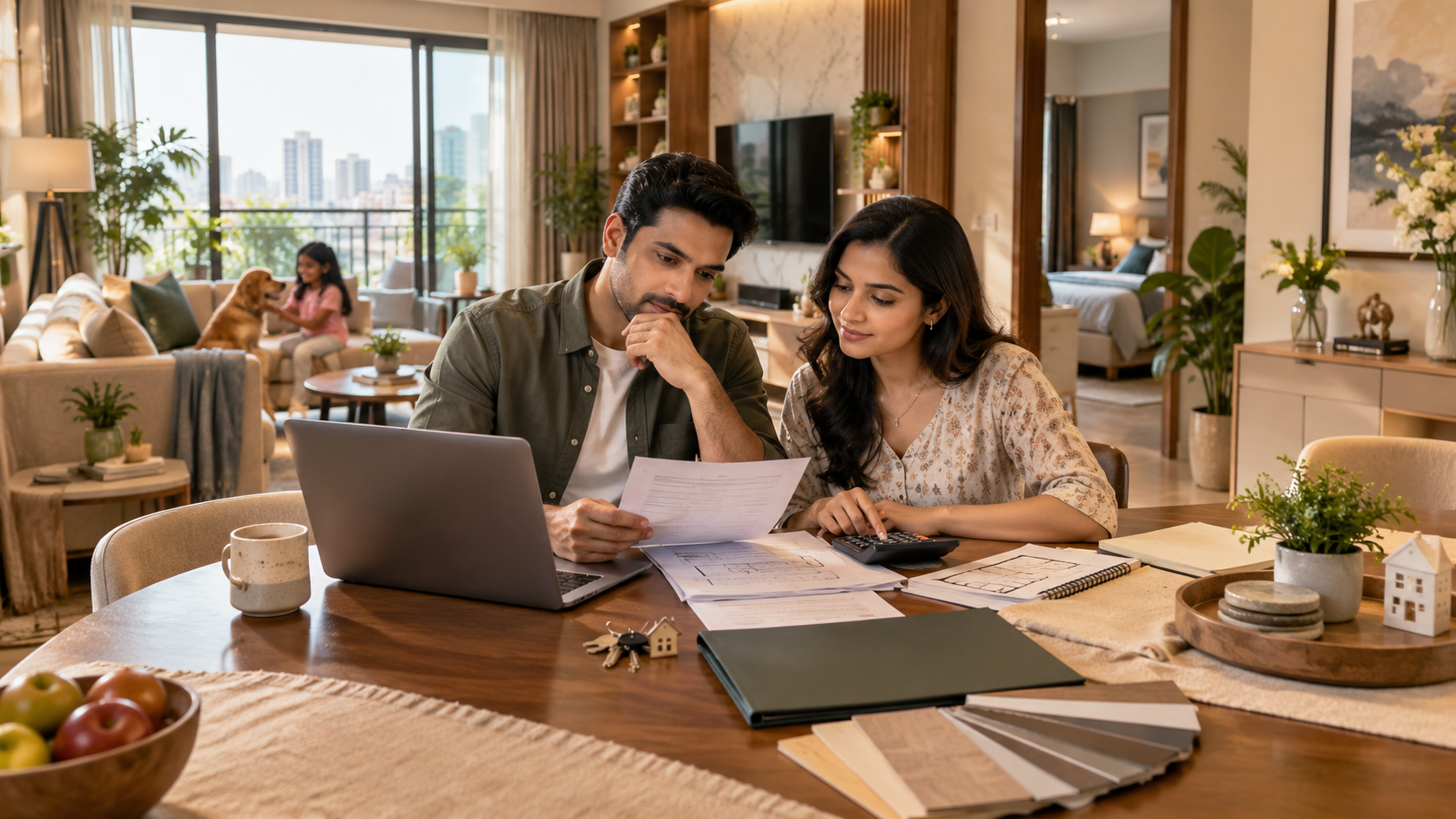
Buying a home is one of the biggest financial decisions most people make. Naturally, the first number buyers look at is the purchase price. But the actual cost of owning a home does not end when the sale is completed.
By Hallmark | Sep'28 2026

When buying a home, it is natural to focus on the apartment itself. The number of bedrooms, the size of the living room, the amenities, the interiors, and the view can all influence the final decision.
By Hallmark | Sep'15 2026