
 Whatsapp
What Should You Check During a Site Visit?
Buying a home is a major decision, and a site visit is one of the best opportunities to evaluate a property beyond brochures, floor plans and photographs.
By Hallmark | Oct'7 2026
 back to lists
By Hallmark

Buying a home is a major milestone. From finding the right property to paying the booking amount, the journey involves several decisions. But what happens after you book your home? What documents should you expect, when do payments begin, and how do you prepare for possession?
For first-time homebuyers especially, understanding what comes next can make the entire process feel more organised and less overwhelming. Here’s a step-by-step guide to what happens after you book your home.
Once you’ve selected your property, the booking process begins. The developer typically collects a booking amount to reserve the chosen apartment, subject to the agreed terms.
At this stage, make sure you understand the apartment’s total cost, payment schedule, possession timeline, cancellation terms and any additional charges. Ask for a written breakdown of the costs rather than relying only on verbal assurances.
Before proceeding, verify the project’s RERA registration, where applicable, and review the relevant project documents.
What to check:
After booking, the next important step is completing the necessary paperwork. Depending on the project and stage of construction, this may include the allotment letter, agreement for sale and other transaction-related documents.
Read the agreement carefully before signing. It should clearly outline the property details, payment obligations, construction milestones, possession terms and the responsibilities of both parties.
If you are purchasing through a home loan, the bank or financial institution may also request income documents, identity proofs, property documents and other details for loan processing.
Keeping digital and physical copies of every document, receipt and communication will help you maintain a clear record throughout the purchase.
For under-construction properties, payments are often linked to the construction progress or the schedule specified in the agreement. For ready-to-move-in homes, the payment structure may be different.
Make sure you understand when each instalment is due, what milestone triggers it and how payments should be made. If you have opted for a home loan, coordinate with your lender so that loan disbursements align with the agreed payment schedule.
It is also wise to maintain a separate budget for expenses beyond the apartment price, such as applicable registration charges, interiors, utility connections and moving costs.
A useful tip: Keep a simple record of every payment made, the corresponding receipt and the amount remaining.
If your apartment is under construction, the period between booking and possession is when you can follow the development of your future home.
Stay updated on construction milestones, project communications and any changes to the schedule. Where possible, visit the site periodically and observe the progress of the building and common areas.
If you have questions about timelines, specifications or agreed features, raise them with the developer and request written clarification when necessary.
Construction schedules can change due to various factors, so refer to the timelines and commitments documented in your agreement rather than relying solely on informal estimates.
As the project approaches completion, the focus shifts towards the formalities required before you receive your home.
Depending on the project and applicable requirements, this stage may involve final payments, registration of the sale deed, completion or occupancy-related documentation, and coordination for handover.
For under-construction projects, check the applicable approvals and occupancy requirements before taking possession. Ask the developer for a clear list of documents and payments required at this stage.
You should also clarify the process for receiving keys, accessing facilities, activating utilities and understanding the community’s maintenance arrangements.
Receiving the keys is an exciting moment, but it is also important to inspect the apartment carefully.
Walk through every room and check the doors, windows, plumbing fixtures, electrical points, switches, flooring, walls and other agreed specifications. Test the fittings and note any visible defects or incomplete work.
If you notice issues, document them with photographs and share a written list with the developer. Understand the process and timeline for addressing these items before completing the handover formalities.
Also review the handover documents, warranties where applicable, utility details and maintenance guidelines.
Remember: A detailed inspection helps you identify issues early and gives you a clear record of anything that needs attention.
Once the handover is complete, the next chapter begins: making the apartment your own.
Plan your interiors, furniture, appliances and essential purchases according to your budget. Before starting any renovation or structural changes, check the community’s rules and obtain the necessary permissions.
Familiarise yourself with maintenance payments, waste disposal arrangements, parking allocation, security procedures and the use of common amenities.
It is also helpful to retain all property-related documents in one organised folder, including the registered sale deed, payment records, possession letter, warranties and relevant approvals.
The post-booking journey depends significantly on the type of property you purchase.
For under-construction homes, the process may include construction-linked payments, progress updates, waiting for project completion and obtaining the necessary documents before possession.
For ready-to-move-in homes, the focus is generally on completing the agreed payments, registration, verifying applicable occupancy documentation, inspecting the apartment and arranging the handover. The exact sequence depends on the property's legal and transaction status.
Neither option eliminates the need for due diligence. The important thing is to understand what stage the property is at and what must happen before you can legally and practically move in.
Booking your home is an important milestone, but it is only one part of the homeownership journey. From documentation and payments to construction updates, inspection and possession, every stage deserves attention.
The best way to navigate the process is to ask questions early, understand your contractual commitments, keep your records organised and verify the relevant documents at each stage.
At Hallmark Builders, we believe that an informed homebuyer is better prepared to make confident property decisions. Understanding the journey beyond booking helps you approach your purchase with greater clarity and prepare for the moment your new home becomes part of your everyday life.
Planning to buy a home? Take the time to understand not just the property you choose, but also the process that takes you from booking to the front door.



Buying a home is a major decision, and a site visit is one of the best opportunities to evaluate a property beyond brochures, floor plans and photographs.
By Hallmark | Oct'7 2026

Buying a home is one of the biggest financial decisions most people make. Naturally, the first number buyers look at is the purchase price. But the actual cost of owning a home does not end when the sale is completed.
By Hallmark | Sep'28 2026
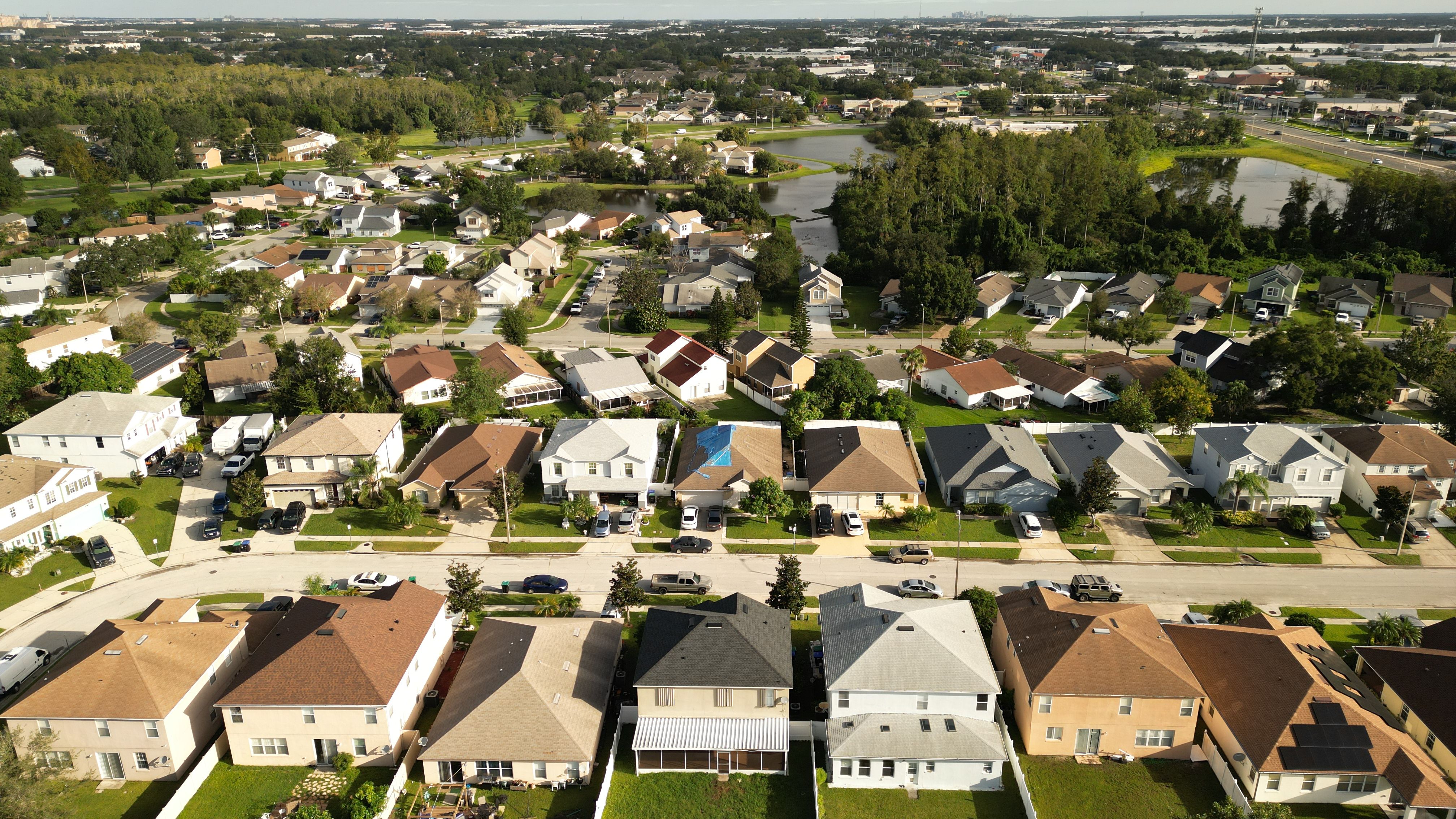
When buying a home, it is natural to focus on the apartment itself. The number of bedrooms, the size of the living room, the amenities, the interiors, and the view can all influence the final decision.
By Hallmark | Sep'15 2026