
 Whatsapp
 back to lists
What Should You Check During a Site Visit?
Buying a home is a major decision, and a site visit is one of the best opportunities to evaluate a property beyond brochures, floor plans and photographs.
By Hallmark | Oct'7 2026
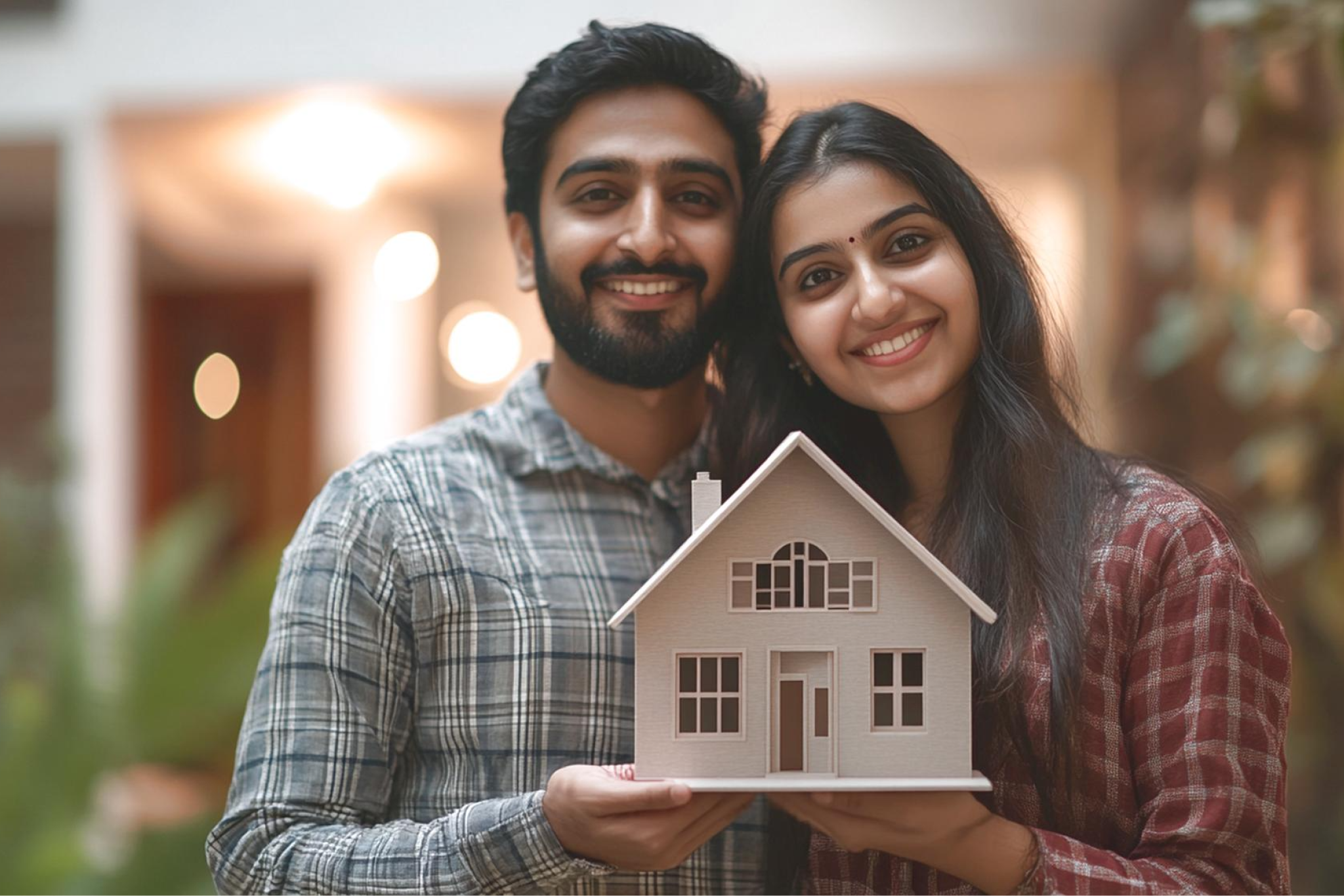
Luxury has changed.
A few years ago, a premium home was often associated with bigger chandeliers, glossy finishes, oversized lobbies, and more visible statements.
Today, people remember homes differently.
Not because they looked expensive.
Because they felt effortless to live in.
The homes that leave a lasting impression are rarely the loudest ones. They’re the ones where everything simply feels right.
So what actually makes a home feel premium, without trying too hard?
You can walk into two homes with the same square footage and have completely different experiences.
One feels cramped.
The other feels calm.
That difference often comes down to proportions.
The relationship between room sizes, ceiling heights, window placement, furniture layouts, and circulation creates a feeling of openness that numbers alone can’t explain.
A thoughtfully planned living room doesn’t need excess area, it needs balance.
This approach is becoming more visible in premium residential design today. In projects like Hallmark Treasor, spaciousness isn’t created through scale alone but through layouts that allow homes to feel open, connected, and comfortable in everyday life.
The most premium spaces rarely try to impress at every corner.
They focus on fewer things done well.
Clean lines.
Timeless finishes.
Thoughtful detailing.
Materials that age gracefully.
Because real luxury doesn’t constantly ask for attention.
It creates ease.
When spaces feel visually calm, they often feel more elevated, and more liveable over time.
This is why well-designed homes tend to remain relevant years later, even after trends change.
Nothing transforms a space like good natural light.
It changes how materials appear.
It creates depth.
It makes spaces feel larger and warmer.
Homes designed with attention to window placement and openness often feel more premium without adding anything extra.
This is where architecture starts becoming visible in daily life.
Projects like Hallmark Skyrena reflect this thinking, where openness, light, and a stronger connection between indoor and outdoor spaces become part of the living experience rather than visual features.
A premium experience is often created by details buyers don’t consciously register during a site visit.
Things like:
Smooth movement between spaces
Privacy between rooms
Storage that feels invisible
Wider openings
Comfortable transitions from indoors to outdoors
Spaces that adapt to routines
These details rarely stand out individually.
But together, they change how a home feels.
Good design often works quietly.
Luxury isn’t always about using more.
It’s about choosing materials that continue to feel good years later.
Natural textures.
Timeless palettes.
Surfaces that wear well.
Homes designed around longevity tend to feel more premium because they age gracefully instead of relying on trends.
This thinking extends beyond interiors into the overall residential experience, from arrival spaces to common areas and shared environments.
In communities like Hallmark Sunnyside, the idea isn’t simply to create visually appealing spaces but places people continue enjoying over time.
The most expensive-looking home isn’t always the most comfortable one.
But the homes people truly value often make daily routines feel easier.
Morning light where you want it.
A balcony you actually use.
Rooms that feel connected but private.
Storage that disappears into the background.
Comfort that doesn’t need explanation.
That’s what makes a home feel premium.
Not excess.
Thoughtfulness.
When evaluating a home, it helps to look beyond finishes and ask different questions.
Does the space feel easy to live in?
Does it feel calm?
Would it still feel relevant five years from now?
The homes that stay memorable are usually the ones that were designed with intention.
At Hallmark, premium living is approached through planning, proportion, usability, and long-term comfort, because luxury is often less about adding more and more about designing better.



Buying a home is a major decision, and a site visit is one of the best opportunities to evaluate a property beyond brochures, floor plans and photographs.
By Hallmark | Oct'7 2026
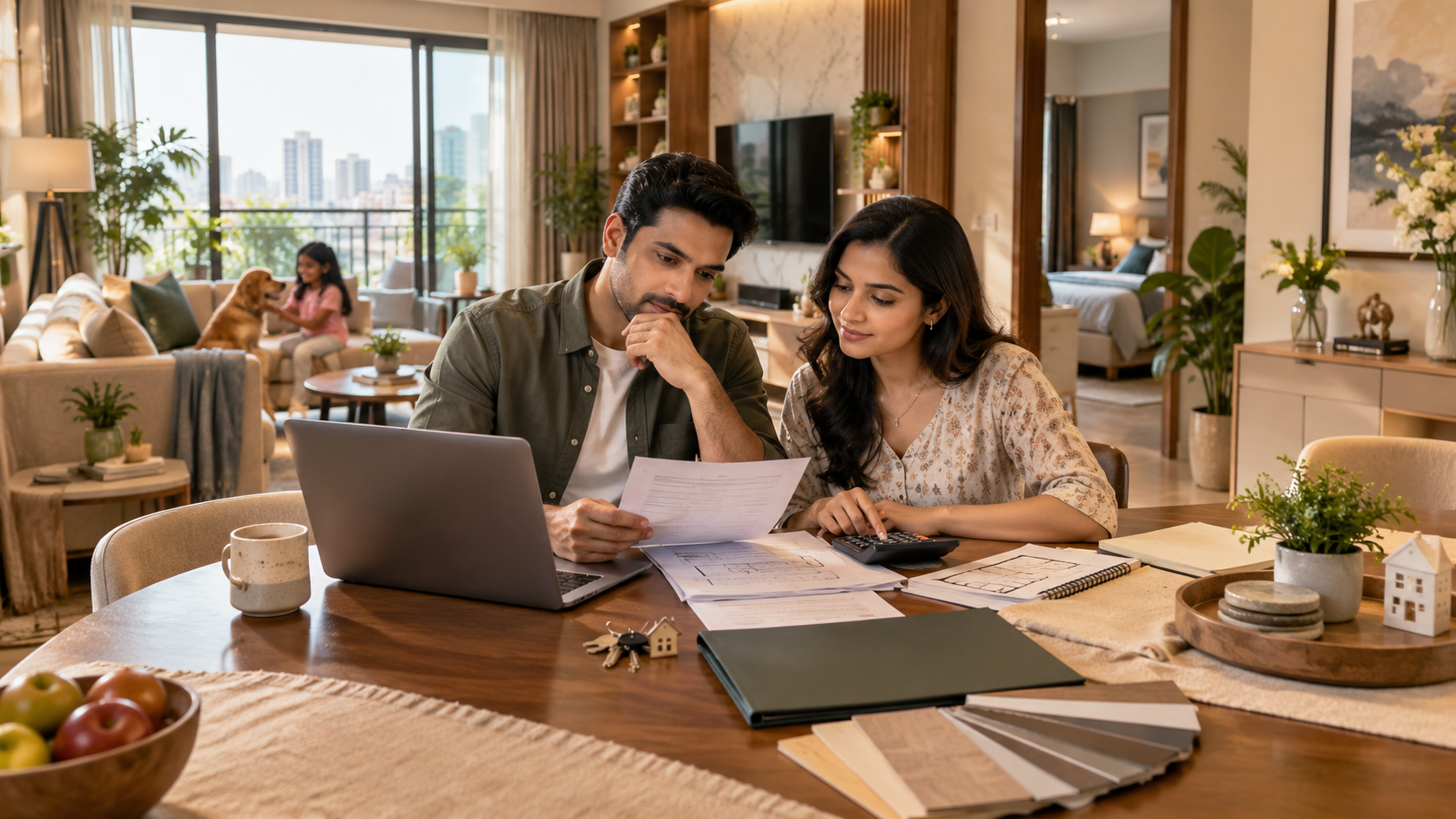
Buying a home is one of the biggest financial decisions most people make. Naturally, the first number buyers look at is the purchase price. But the actual cost of owning a home does not end when the sale is completed.
By Hallmark | Sep'28 2026
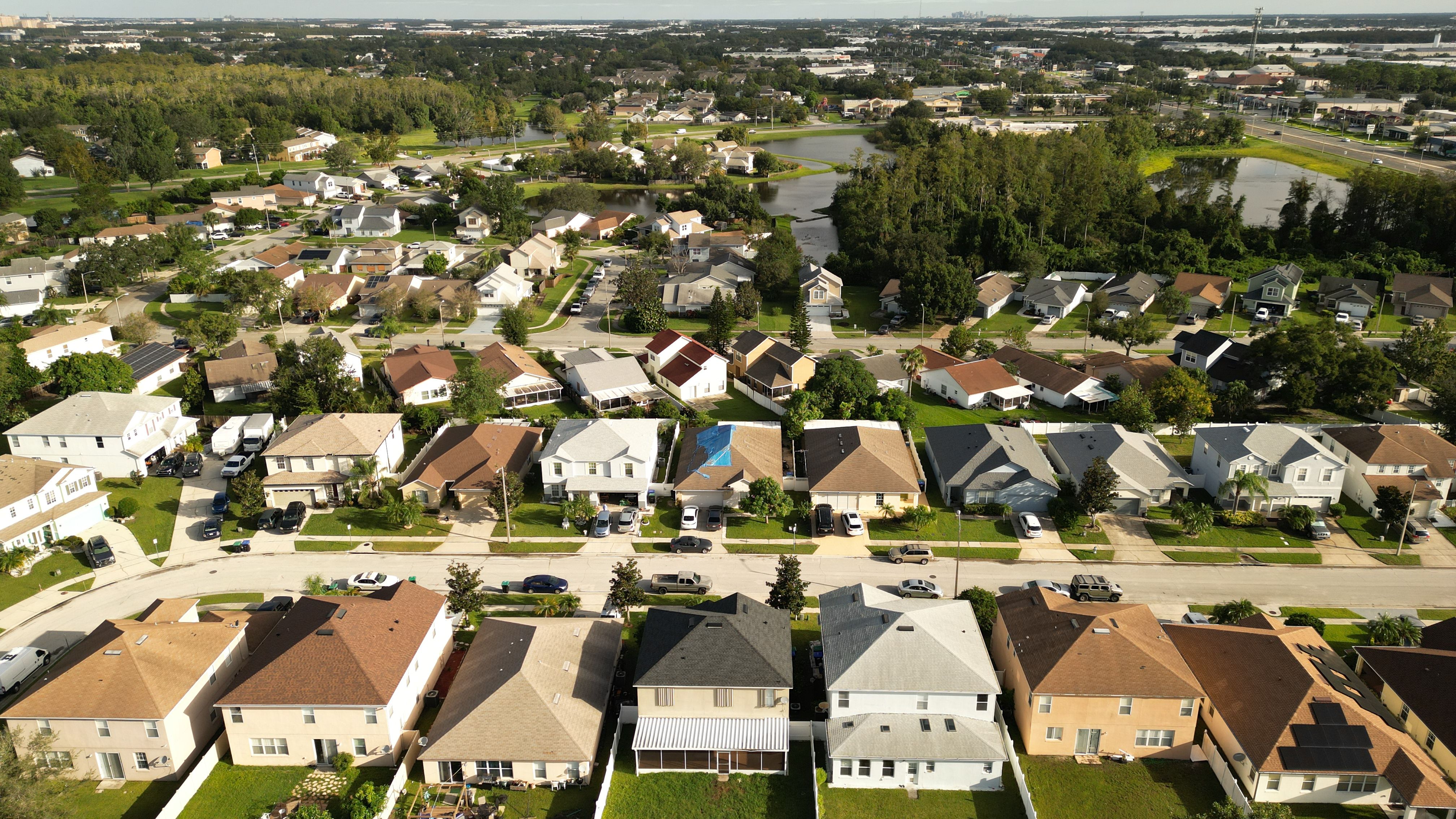
When buying a home, it is natural to focus on the apartment itself. The number of bedrooms, the size of the living room, the amenities, the interiors, and the view can all influence the final decision.
By Hallmark | Sep'15 2026