
 Whatsapp
 back to lists
What Should You Check During a Site Visit?
Buying a home is a major decision, and a site visit is one of the best opportunities to evaluate a property beyond brochures, floor plans and photographs.
By Hallmark | Oct'7 2026
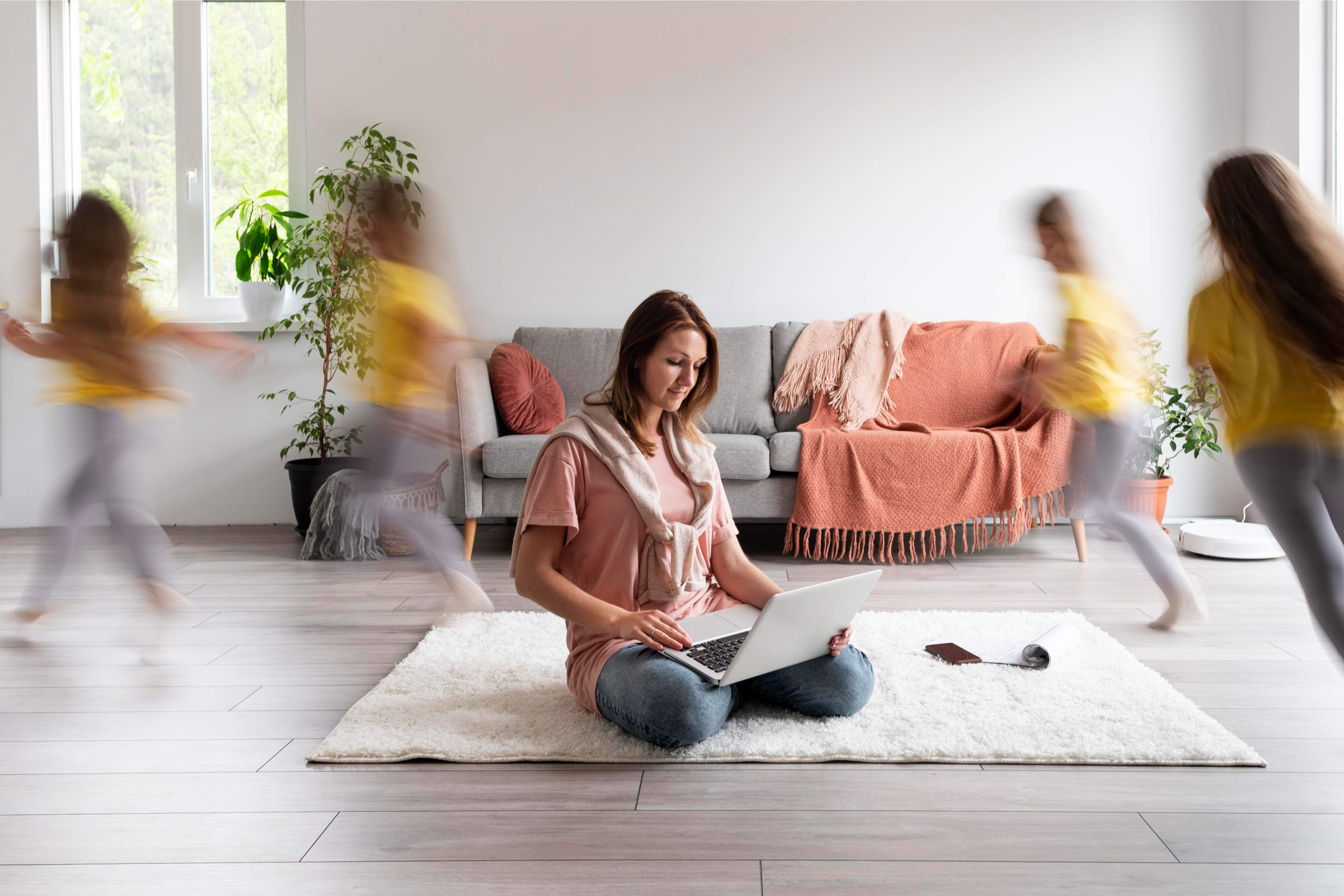
For years, homebuyers have chased one number, square footage. The assumption is simple: the bigger the home, the better the comfort. But real experience tells a different story.
A well-designed 1,500 sq. ft. home can often feel more open and breathable than a poorly planned 2,000 sq. ft. apartment. The difference lies not in size, but in design intelligence.
Across projects like Hallmark Nature Nest and Hallmark Treasor, one consistent observation stands out, the emphasis isn’t just on area, but on how that area feels.
Natural light is the most underrated design element. Homes with larger windows, thoughtful orientation, and minimal obstruction feel instantly expansive. When daylight travels deep into the living spaces, walls seem farther apart and ceilings feel higher.
In communities such as Nature Nest and Sunnyside, the integration of greenery and open surroundings enhances this sense of brightness, while premium towers like Treasor and Skyrena maximize vertical views and daylight entry.
Good proportions create visual balance. Even a subtle increase in ceiling height or better window-to-wall ratio can elevate the entire spatial experience. It’s not about excess, it’s about harmony.
Rather than oversized but inefficient layouts, these developments focus on well-balanced living and dining zones that feel usable and uncluttered.
Airflow affects perception. When a home allows air to move freely from one end to another, it feels breathable and open. Combined with smart circulation between living, dining, and bedrooms, this eliminates the boxed-in feeling common in many larger layouts.
Whether in the calm, low-density planning of Nature Nest or the structured vertical layouts of Treasor and Skyrena, ventilation and internal flow are clearly part of the design conversation.
A usable balcony overlooking greenery or open internal landscapes extends the home visually. In Sunnyside and Nature Nest, landscaped pockets and open views create depth. In high-rise settings like Treasor and Skyrena, elevation itself becomes an advantage, offering skyline views that visually expand interiors.
Spaciousness isn’t only inside the apartment. The distance between towers, landscaped open areas, children’s play zones, and walkways all contribute to how expansive daily life feels.
Projects that balance built-up areas with meaningful open space, as seen across Hallmark’s varied residential formats, often feel lighter and more comfortable, even when individual homes aren’t oversized.
Across different residential styles, nature-focused communities, elevated urban towers, and thoughtfully designed family environments, one principle remains clear:
Smart design consistently outperforms sheer size.
In the end, spaciousness is not measured in square feet.
It’s measured in light, air, proportion, and planning.
Because a bigger home isn’t always a better home
but a better-designed one always is.



Buying a home is a major decision, and a site visit is one of the best opportunities to evaluate a property beyond brochures, floor plans and photographs.
By Hallmark | Oct'7 2026

Buying a home is one of the biggest financial decisions most people make. Naturally, the first number buyers look at is the purchase price. But the actual cost of owning a home does not end when the sale is completed.
By Hallmark | Sep'28 2026
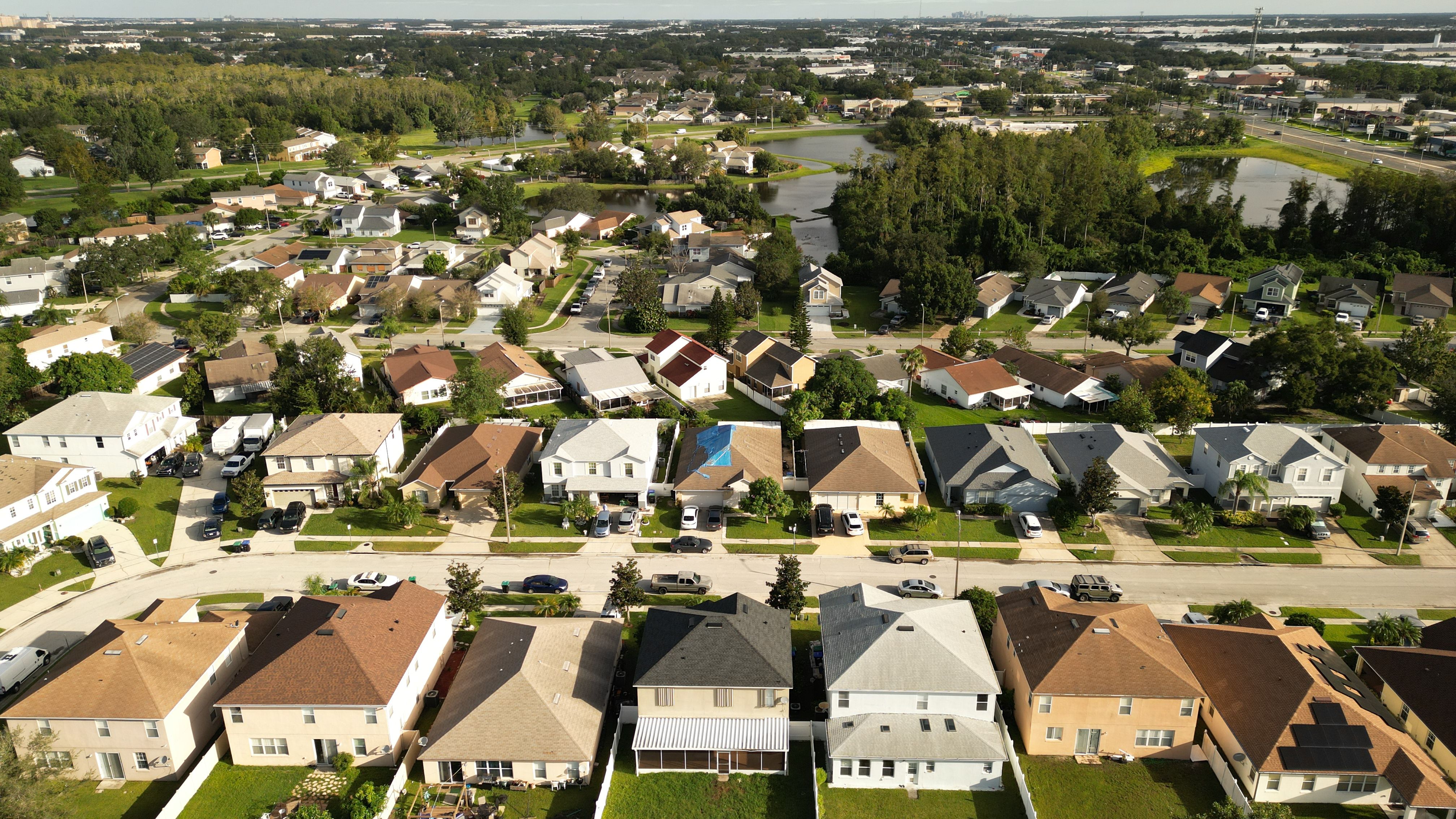
When buying a home, it is natural to focus on the apartment itself. The number of bedrooms, the size of the living room, the amenities, the interiors, and the view can all influence the final decision.
By Hallmark | Sep'15 2026